
Baby Swimwear Safety: What Actually Matters (A Mum's Honest Guide)
Buying your baby's first swimmers should be fun. Instead it can turn into an hour of tabs open, wondering what UPF actually means and whether the cute one or the "safe" one is the same thing. As a mum of three, I've been there - so here's the honest, no-fluff version of what actually matters.
Sun protection is non-negotiable
Baby skin is seriously sensitive, and it doesn't take long in the sun for damage to start. Look for anything labelled UPF50+ - that's the gold standard, and it blocks around 98% of harmful UV rays. Every Vizzies Swim piece is UPF50+ as standard, so it's one less thing to check off your list.
Colour is a safety feature, not just a look
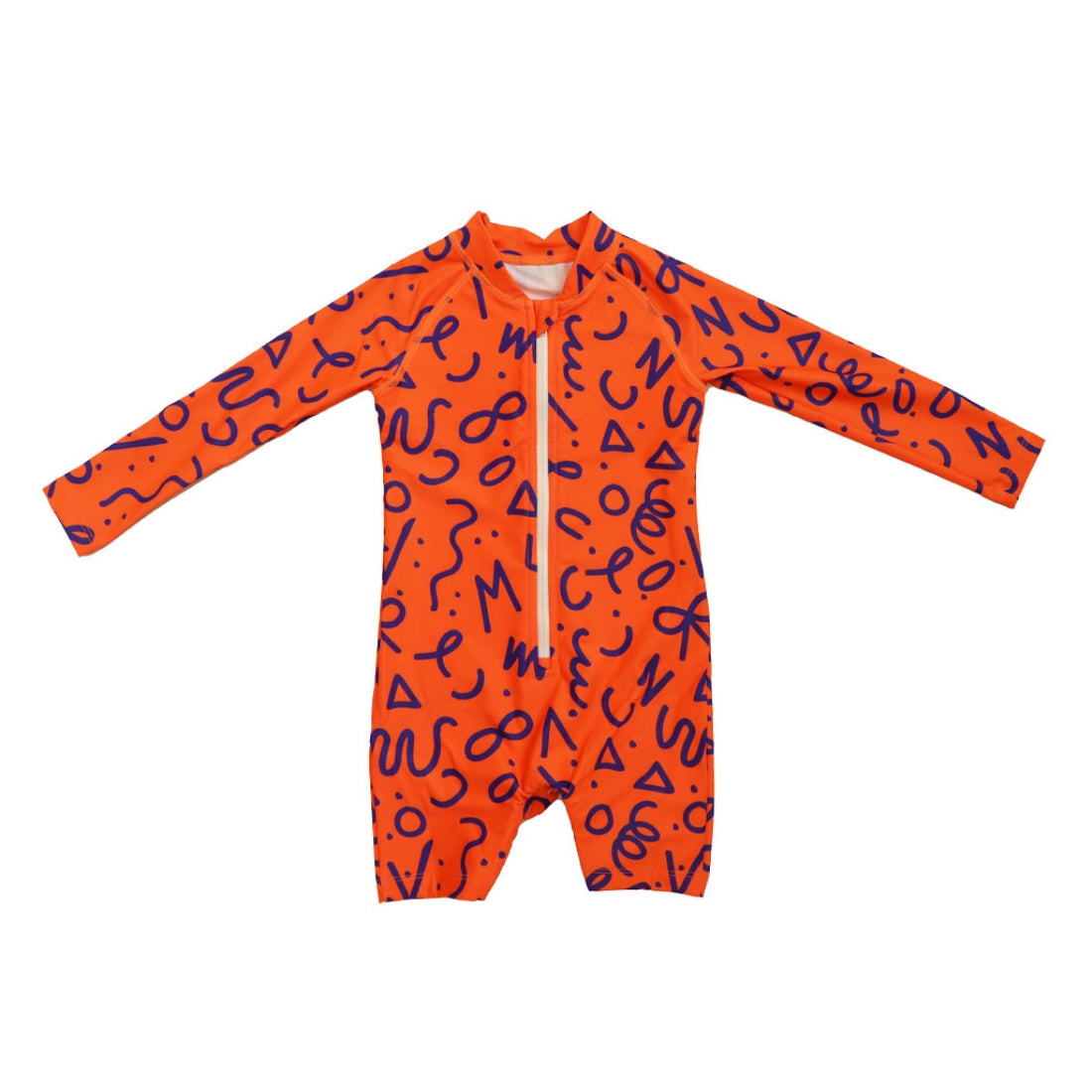
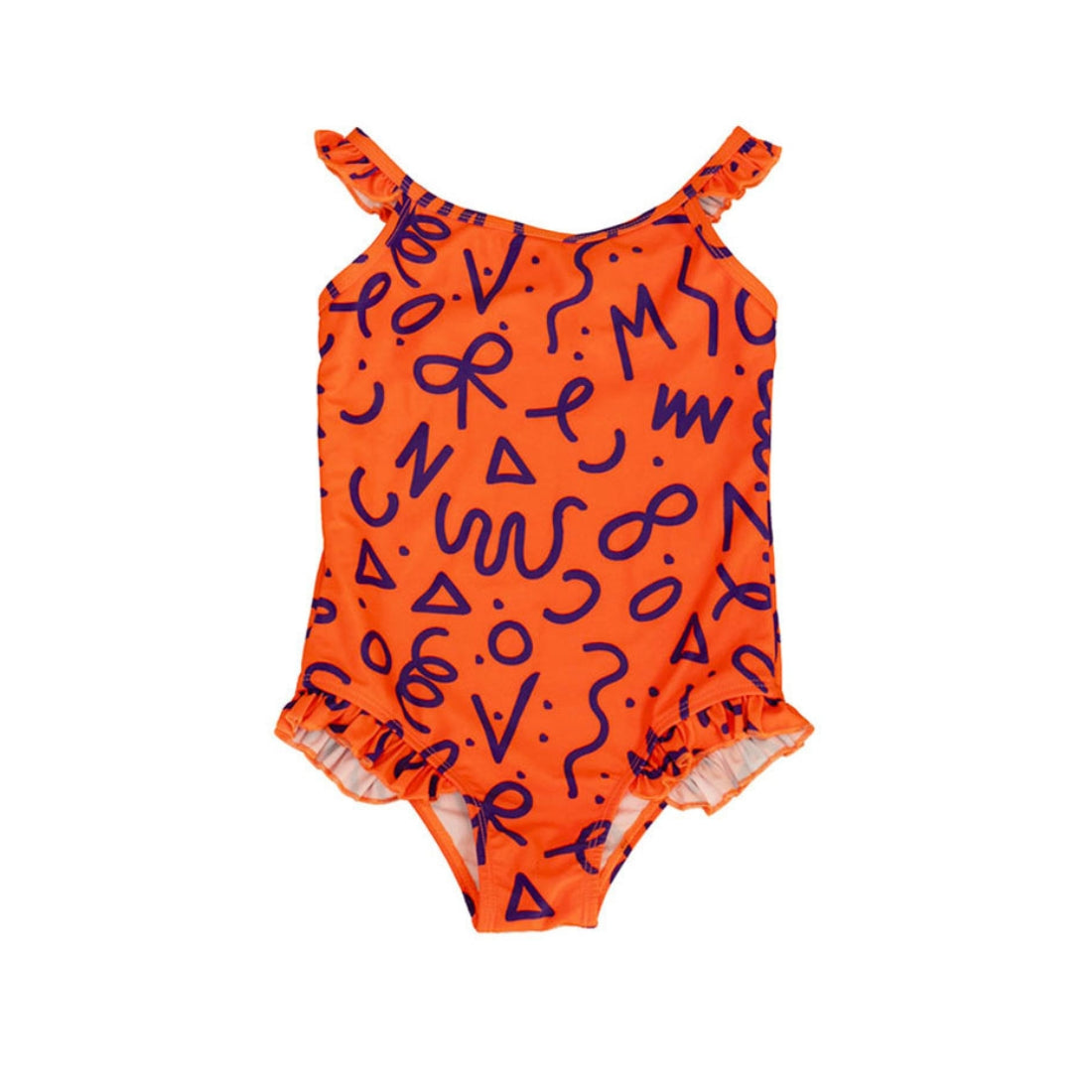
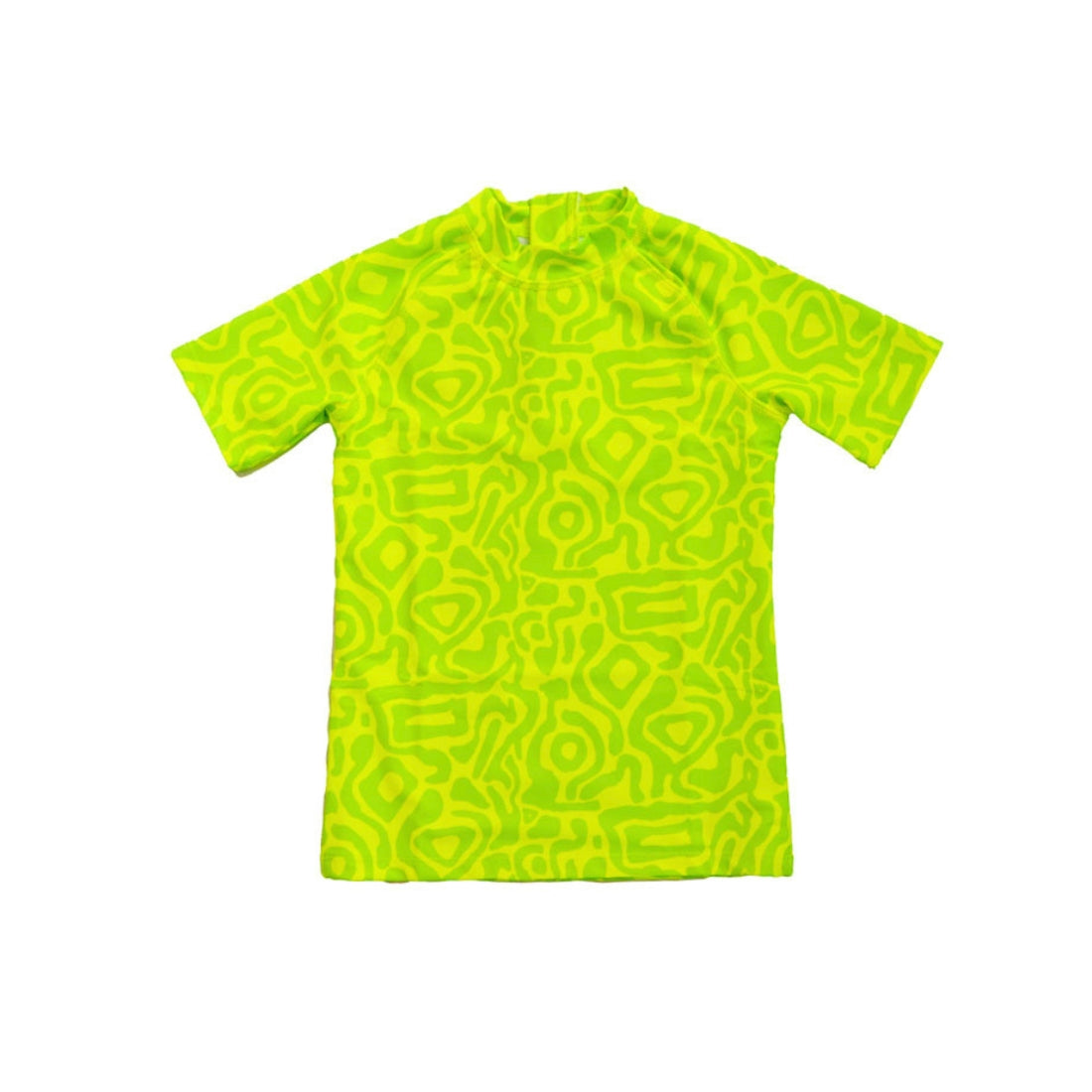
This one surprises a lot of parents. Neon pinks, greens, and yellows aren't just cute — they genuinely stand out against water and sand, making it faster to spot your baby in a crowded pool or on a busy beach. When every second counts, visibility matters, and it's a big part of why we built Vizzies Swim around boldly bright prints in the first place.
Fabric that's actually built for the water
Not all swimwear fabric is created equal. Look for:
- Chlorine and saltwater resistant fabric - so it doesn't fade or break down after a few pool sessions
- Quick-drying material - less time damp, less chance of irritation
- OEKO-TEX certified fabric - tested and certified safe against harmful substances, which matters a lot when it's touching baby skin all day
Fit and comfort matter just as much as fabric
Ill-fitting swimwear isn't just uncomfortable - too loose and it can pose a real risk in the water. Look for:
- Snap closures for easy nappy access at the beach or pool (a genuine sanity-saver)
- Soft, stretchy fabric that moves with your baby instead of restricting them
- Secure, comfortable fit - snug without digging in
Extra coverage for extra peace of mind
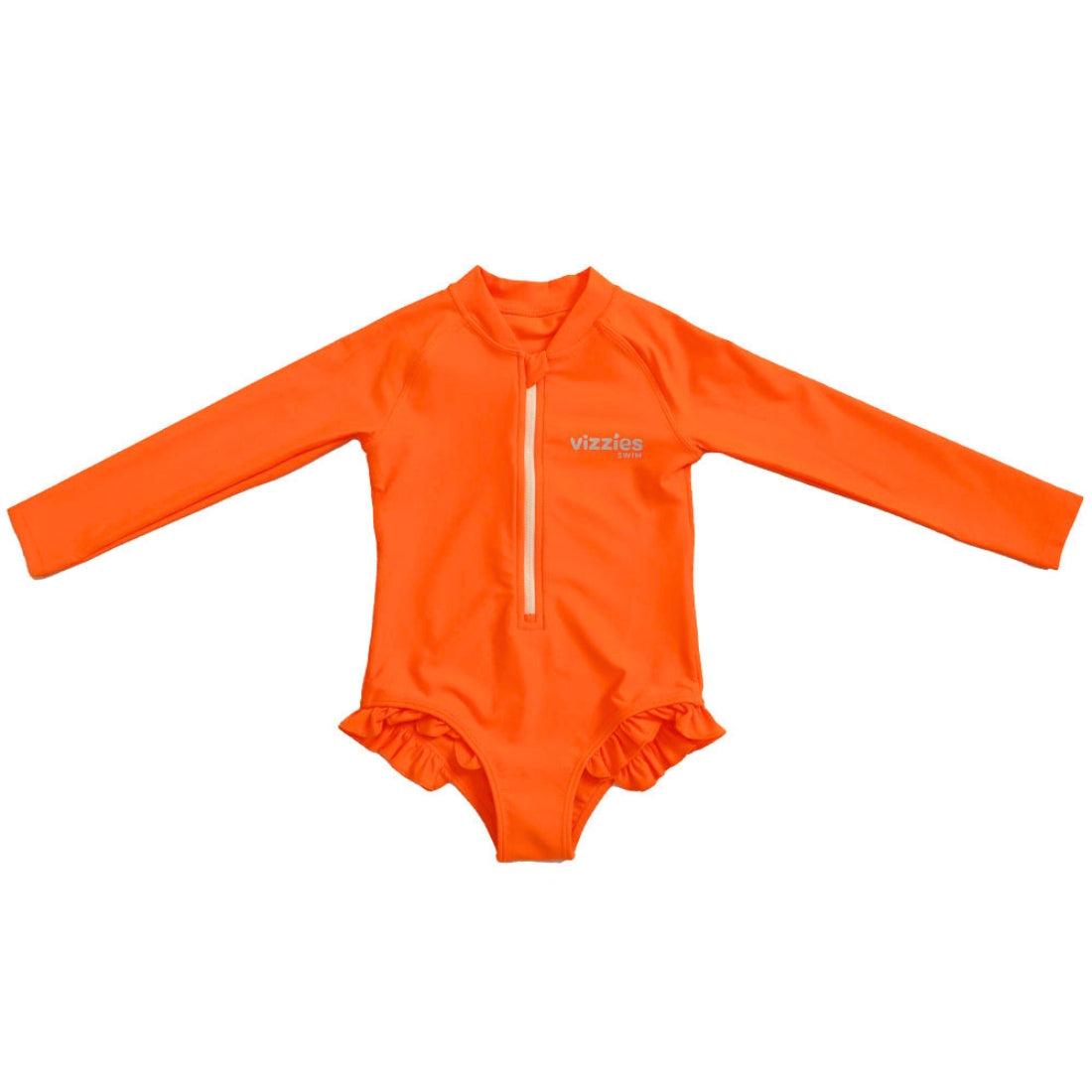
Long sleeve rashies and full-coverage swimsuits give newborns and infants extra protection during longer stretches in the sun, without adding any bulk or restricting movement. They're especially handy for the early months when little skin is at its most sensitive.
A few honest answers (FAQ)
What UPF rating should baby swimwear have? UPF50+ is the benchmark - it blocks around 98% of the sun's UV rays and is considered the highest practical level of protection in clothing.
Do I still need sunscreen if my baby is wearing UPF50+ swimwear? Yes, on any skin the swimwear doesn't cover - face, hands, feet, and ears still need sunscreen. The rashie or swimsuit does the heavy lifting on covered skin.
Is bright swimwear really safer for babies, or is it just about looks? It's both - bright neon colours are genuinely easier to spot in and around water, which matters most in busy pools or open water where babies can be hard to keep in view.
How do I know if swimwear fits my baby correctly? It should sit snug without pinching, allow full arm and leg movement, and not gape at the legs or neck. Our size guide makes this easy to check before you buy.
The Vizzies Swim difference
Every piece in our baby range - from rashies to full swimsuits - is UPF50+, OEKO-TEX certified, and chlorine resistant, with snap closures and easy zips designed with real babies (and real parents) in mind. Because your little legend deserves to splash safely, and you deserve one less thing to worry about.
Shop baby & toddler swimwear → Check our size guide →